
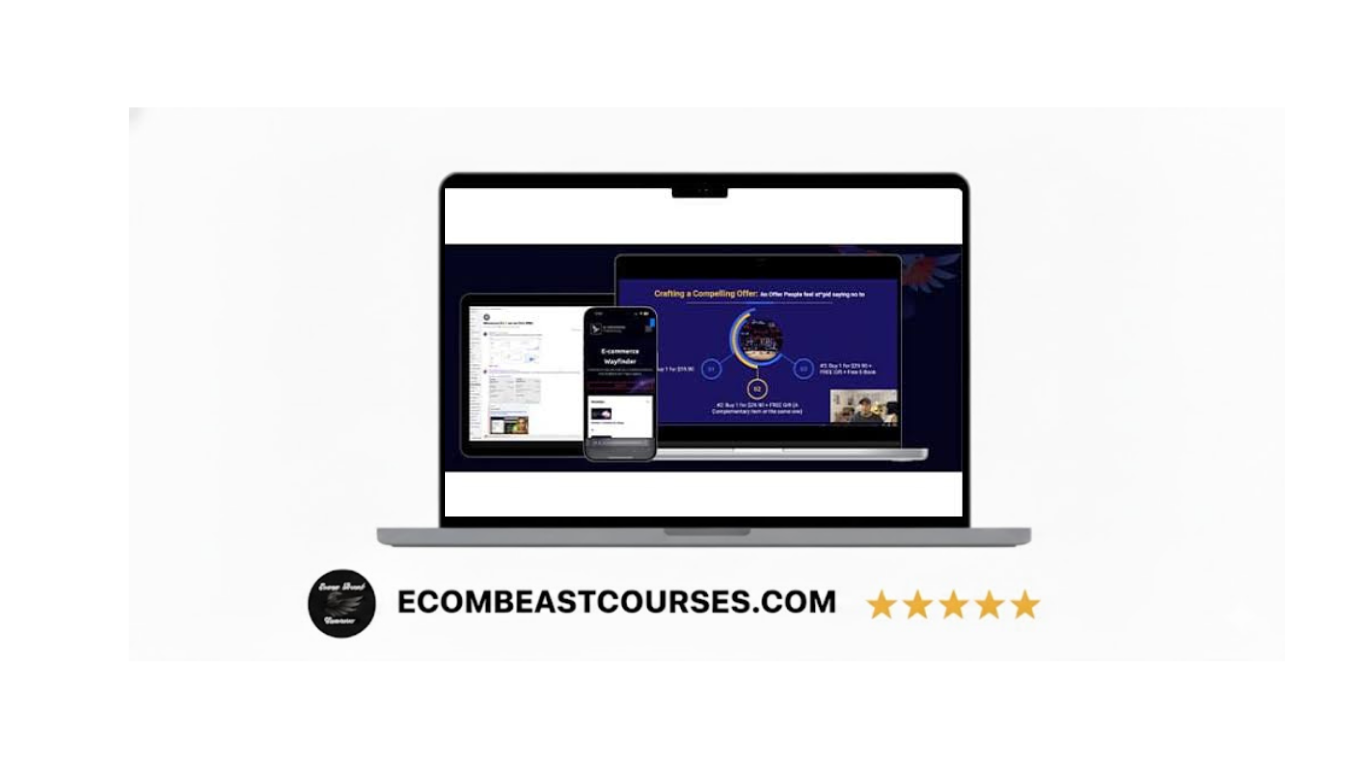
E-commerce Mentoring – E-commerce Wayfinder: The Complete Guide to Building a Profitable Online Business
Introduction
The world of e-commerce continues to evolve at an incredible pace, creating both opportunities and challenges for entrepreneurs. While launching an online store has become easier than ever, building a sustainable and profitable business requires strategic planning, market knowledge, operational efficiency, and expert guidance. This is where E-commerce Mentoring – E-commerce Wayfinder becomes an invaluable resource for aspiring and established online business owners.
Whether you’re just starting your first online store or looking to scale an existing e-commerce brand, having access to a structured mentoring framework can significantly shorten your learning curve. Instead of relying on trial and error, entrepreneurs can leverage proven systems, actionable insights, and expert strategies to accelerate growth and maximize profitability.
This comprehensive guide explores how e-commerce mentorship helps entrepreneurs navigate the competitive digital marketplace, develop winning strategies, optimize operations, and achieve long-term success.
What Is E-commerce Mentoring?
E-commerce mentoring is a structured educational and coaching process designed to help online business owners build, manage, and scale successful digital stores. Unlike traditional courses that focus solely on theory, mentoring provides personalized guidance, real-world implementation strategies, and ongoing support.
A strong mentorship program covers essential areas such as:
- Product research and validation
- Market analysis
- E-commerce business strategy
- Store development
- Conversion optimization
- Customer acquisition
- Paid advertising
- Email marketing
- Brand building
- Customer retention
- Supply chain management
- Business scaling
The goal is to help entrepreneurs avoid costly mistakes while implementing proven growth systems.
Why E-commerce Businesses Need Expert Guidance
Many entrepreneurs enter the online business world with enthusiasm but quickly encounter obstacles such as:
Market Saturation
Competition has increased dramatically across nearly every niche. Without proper positioning, businesses struggle to stand out.
Advertising Challenges
Platforms constantly update advertising algorithms, making customer acquisition more complex and expensive.
Operational Complexity
Managing inventory, fulfillment, customer support, and logistics requires specialized knowledge.
Scaling Difficulties
Growing from a small store to a sustainable brand requires strategic planning and execution.
A quality mentorship system provides clarity and direction, helping business owners focus on activities that generate measurable results.
The Core Principles Behind E-commerce Wayfinder
The concept of a “Wayfinder” in e-commerce refers to providing a clear roadmap for success. Rather than overwhelming entrepreneurs with endless tactics, the framework focuses on identifying the most effective growth opportunities.
Key pillars often include:
1. Strategic Product Selection
Selecting the right products remains one of the most critical success factors.
Successful product research involves:
- Demand analysis
- Competitive evaluation
- Profit margin calculations
- Customer pain point identification
- Trend forecasting
- Supplier assessment
The right product can dramatically increase the chances of success while reducing marketing costs.
2. Market Research and Validation
Understanding customer behavior allows businesses to create offers that resonate with target audiences.
Research areas include:
- Customer demographics
- Purchasing motivations
- Industry trends
- Competitor strengths and weaknesses
- Buying patterns
- Consumer preferences
Market validation helps reduce risk before investing significant resources into inventory and advertising.
3. Building a High-Converting Store
A visually appealing website alone is not enough. Modern e-commerce stores must be optimized for conversions.
Important factors include:
User Experience
- Fast loading pages
- Mobile optimization
- Intuitive navigation
- Clear product organization
Trust Building
- Customer reviews
- Secure payment gateways
- Transparent policies
- Professional branding
Conversion Elements
- Strong product descriptions
- High-quality images
- Compelling calls-to-action
- Scarcity and urgency techniques
A properly optimized store can significantly improve conversion rates and profitability.
Customer Acquisition Strategies
Traffic generation remains the lifeblood of every successful online business.
Search Engine Optimization (SEO)
Organic search traffic provides long-term growth opportunities.
SEO activities include:
- Keyword research
- Content marketing
- On-page optimization
- Technical SEO improvements
- Link building
- User experience optimization
Businesses that rank well on search engines often enjoy consistent traffic without relying entirely on paid advertising.
Paid Advertising
Paid traffic allows businesses to scale quickly when campaigns are optimized correctly.
Popular channels include:
- Facebook Ads
- Instagram Ads
- Google Ads
- YouTube Ads
- TikTok Ads
- Pinterest Advertising
Successful campaigns focus on:
- Audience targeting
- Creative testing
- Offer optimization
- Conversion tracking
- Retargeting strategies
Social Media Marketing
Social platforms provide opportunities to build brand awareness and community engagement.
Key benefits include:
- Direct customer interaction
- Content distribution
- Brand storytelling
- Influencer partnerships
- Viral marketing potential
Consistent social media engagement strengthens customer relationships and increases brand visibility.
The Importance of Branding in E-commerce
Many online stores fail because they operate as generic sellers rather than memorable brands.
Strong branding creates:
- Customer trust
- Higher perceived value
- Repeat purchases
- Better profit margins
- Competitive differentiation
Key branding components include:
Brand Identity
- Logo design
- Color palette
- Visual consistency
- Brand voice
Brand Positioning
- Unique value proposition
- Target audience alignment
- Market differentiation
Customer Experience
- Packaging
- Communication
- Support quality
- Loyalty programs
Strong brands often outperform competitors even when offering similar products.
Email Marketing and Customer Retention
Acquiring customers is expensive. Retaining them is significantly more profitable.
Effective email marketing strategies include:
- Welcome sequences
- Abandoned cart recovery
- Product recommendations
- Promotional campaigns
- Customer re-engagement
- Loyalty rewards
Benefits of retention marketing:
- Increased customer lifetime value
- Reduced acquisition costs
- Improved profitability
- Stronger customer relationships
Many successful e-commerce brands generate a substantial percentage of revenue from repeat customers.
Data Analytics and Performance Tracking
Modern e-commerce success depends heavily on data-driven decision-making.
Important metrics include:
Revenue Metrics
- Total sales
- Average order value
- Customer lifetime value
- Revenue per visitor
Marketing Metrics
- Cost per acquisition
- Return on ad spend
- Click-through rates
- Conversion rates
Operational Metrics
- Fulfillment speed
- Inventory turnover
- Return rates
- Customer satisfaction scores
Regular performance analysis helps identify growth opportunities and inefficiencies.
Supply Chain and Fulfillment Excellence
Efficient operations directly impact customer satisfaction and profitability.
Areas of focus include:
- Supplier relationships
- Inventory management
- Order fulfillment
- Shipping optimization
- Quality control
A reliable supply chain helps businesses scale while maintaining consistent customer experiences.
Scaling an E-commerce Business
Once a store achieves product-market fit, scaling becomes the next priority.
Growth strategies include:
Expanding Product Lines
Introducing complementary products increases average order value and customer retention.
Entering New Markets
International expansion can unlock significant revenue opportunities.
Automation
Automating repetitive tasks improves efficiency and reduces operational costs.
Examples include:
- Email automation
- Inventory management systems
- Customer support tools
- Marketing workflows
Team Building
As businesses grow, hiring specialists becomes essential.
Common roles include:
- Marketing managers
- Customer support representatives
- Operations specialists
- Content creators
- Media buyers
Common Mistakes E-commerce Entrepreneurs Make
Many online business owners face challenges due to avoidable mistakes.
These include:
Choosing Products Based on Personal Preference
Market demand should drive product selection rather than personal interests alone.
Ignoring Customer Feedback
Customer insights often reveal valuable improvement opportunities.
Poor Financial Management
Tracking expenses, cash flow, and profitability is critical for long-term sustainability.
Scaling Too Quickly
Rapid expansion without proper systems can create operational issues.
Lack of Testing
Continuous testing improves marketing performance and conversion rates.
Benefits of Structured E-commerce Mentorship
Working with experienced mentors offers several advantages:
Faster Learning Curve
Entrepreneurs gain access to proven strategies and avoid common pitfalls.
Accountability
Regular guidance helps maintain focus and execution.
Personalized Feedback
Businesses receive recommendations tailored to their specific challenges.
Proven Frameworks
Established systems reduce uncertainty and improve decision-making.
Networking Opportunities
Mentorship often provides access to valuable industry connections.
Future Trends in E-commerce
The online retail industry continues to evolve rapidly.
Emerging trends include:
- Artificial Intelligence personalization
- Voice commerce
- Augmented Reality shopping
- Subscription commerce models
- Omnichannel retail strategies
- Sustainable product sourcing
- Influencer-driven commerce
- Social shopping experiences
Businesses that adapt to these trends can maintain a competitive advantage.
Final Thoughts
E-commerce Mentoring – E-commerce Wayfinder represents a strategic approach to building, optimizing, and scaling successful online businesses. In today’s highly competitive marketplace, entrepreneurs need more than just information—they need direction, implementation strategies, accountability, and proven frameworks that deliver results.
From product research and store optimization to customer acquisition, retention, branding, analytics, and scaling, a comprehensive mentorship system provides the roadmap necessary for long-term success. Entrepreneurs who invest in expert guidance often avoid costly mistakes, accelerate growth, and create stronger, more sustainable businesses.
Whether your goal is launching a new online store, improving profitability, or scaling an established brand, following a structured e-commerce roadmap can help transform challenges into opportunities and create a foundation for lasting success in the digital economy.



Reviews
There are no reviews yet.